P1
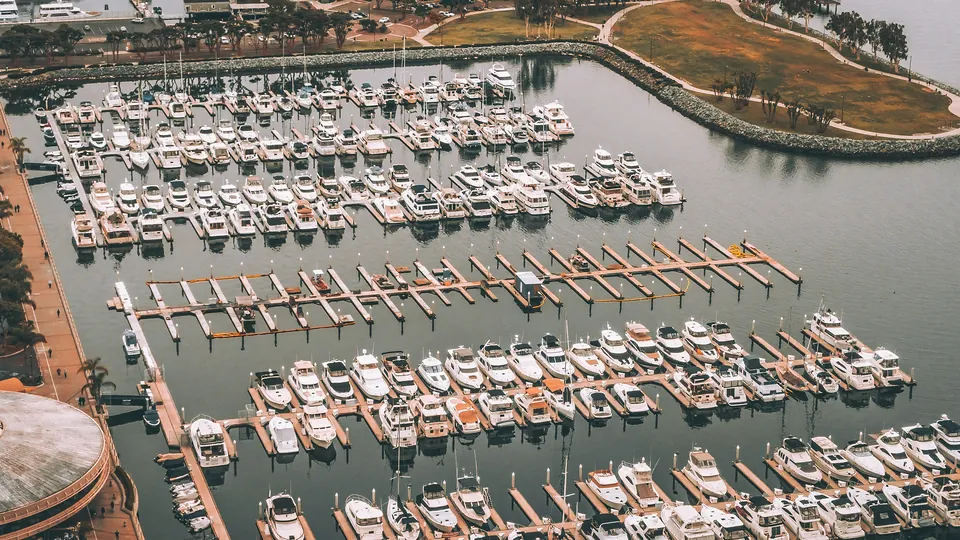
Marina
Zones on the water and at the gates, a list of residents’ boats so they are never flagged, a searchlight and loudhailer on the breakwater, and a boom across the entrance after hours.


Response
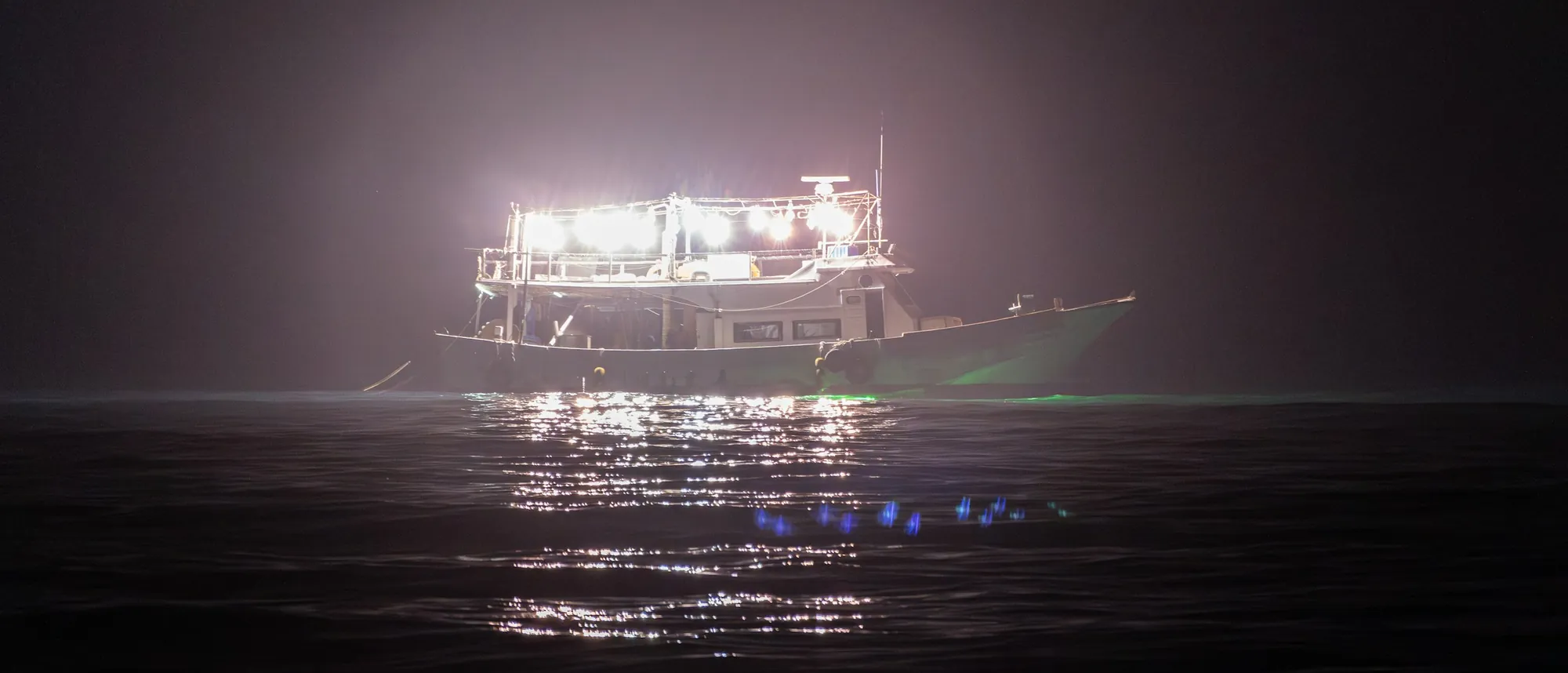
A boat with no lights, a drone over the marina, someone at the fence. StarDome notices it first and shows what is happening. What to do next is always decided by the person on duty, and every step is written down.
AI Pilot suggests what to do and explains why. Nothing is switched on until the operator on duty says so.
First watch, then warn, then close the way. Each step goes only as far as the situation needs.
We offer each measure only where the customer may use it, with the licences and export permits in place.
Three steps, from the first look to a closed passage. The equipment comes from proven manufacturers and is chosen for the site, the threat and the local law.
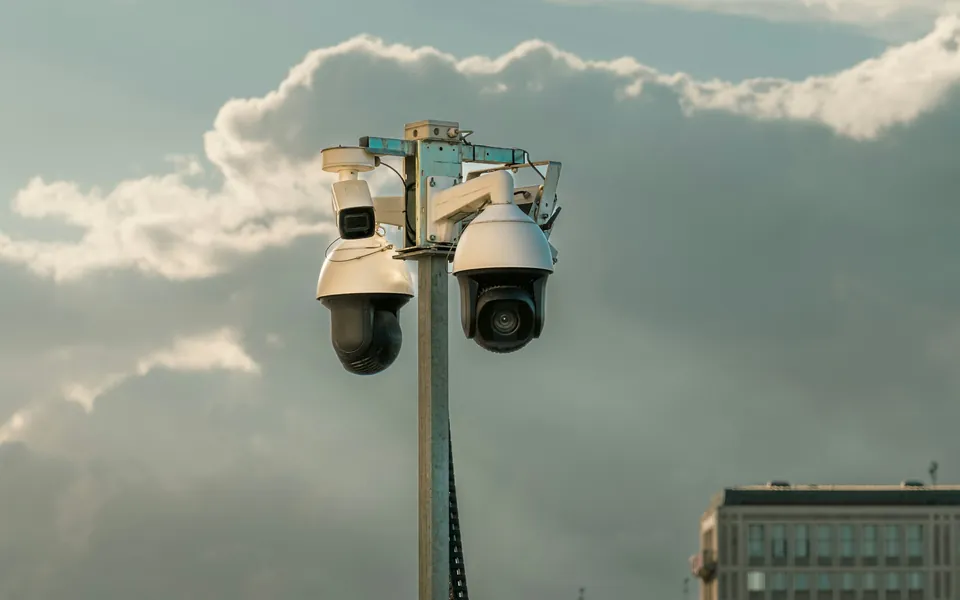
Cameras turn to the contact, a patrol drone or an uncrewed boat goes out to look. The contact stays on screen the whole time.
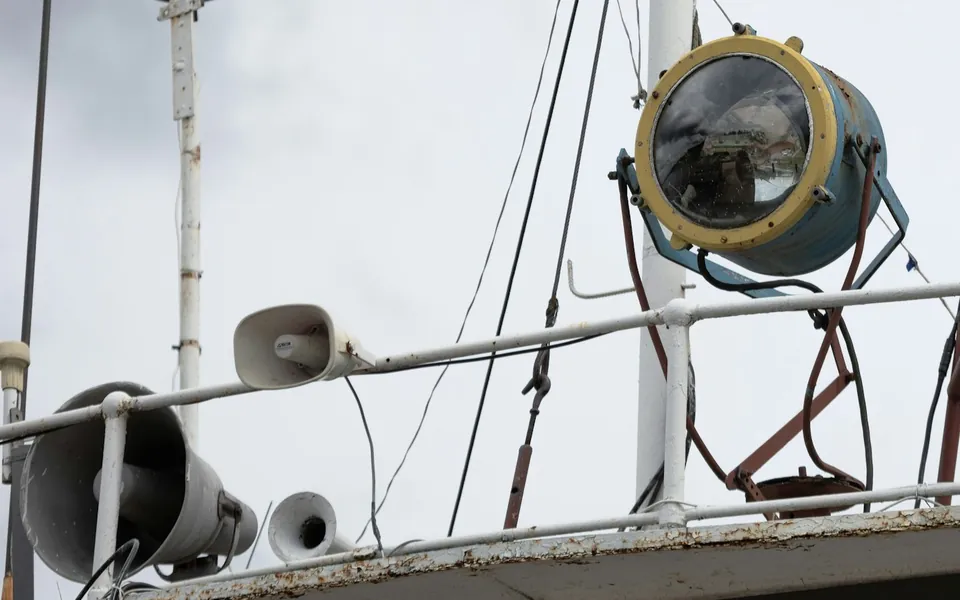
A searchlight, a loudhailer, a radio call. The person approaching knows they have been seen, and often that is enough.
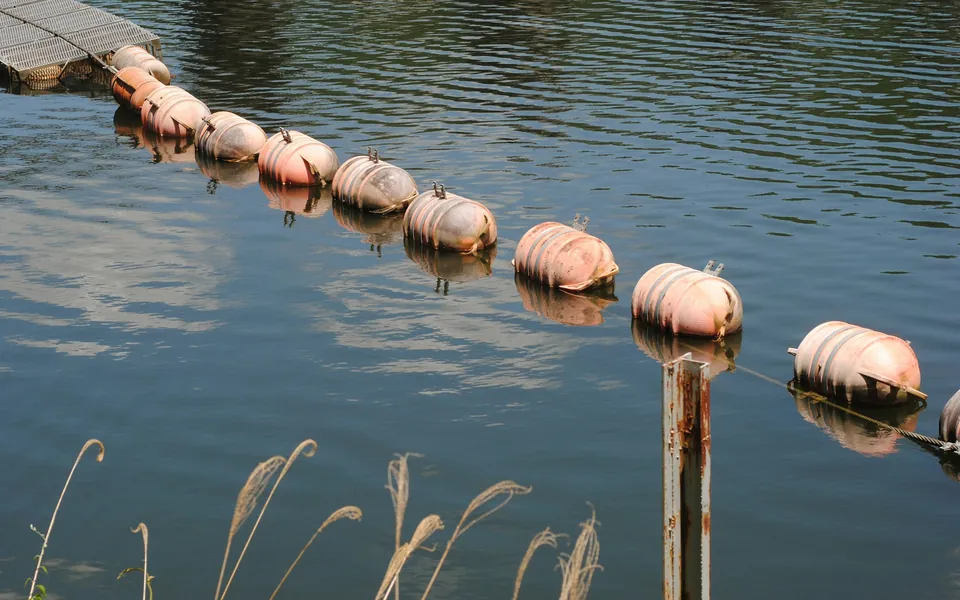
Booms on the water, barriers on land. They slow the approach and give the crew time to act.
Anything beyond warning and physical barriers is discussed only with authorized government customers, one to one, on request and after approval.
A marina or a yacht at anchor is open from every side. This is how a typical night approach is handled, step by step.
Sensors confirm the contact. StarDome gives it a risk level and says why.
AI Pilot offers options that fit the risk, the site rules and the law.
The operator on duty chooses and confirms. Each site decides who may approve which step.
The command goes to the right device. The screen shows what the device is doing and where the contact is.
The time, the source and the name of the person who decided go into Black Box.
For common sites we already have a starting point: zones, rules, equipment and roles that have been thought through. We fit it to your place instead of starting from a blank page.
Zones on the water and at the gates, a list of residents’ boats so they are never flagged, a searchlight and loudhailer on the breakwater, and a boom across the entrance after hours.
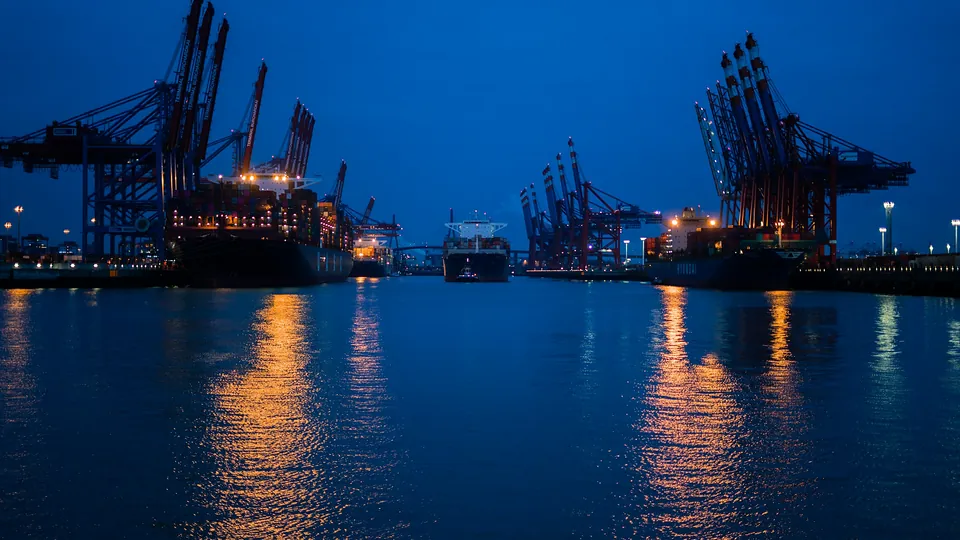
The quay and the water side in one picture, a direct line to port control, rules for ships alongside, booms around the berth and records ready for the port authority.
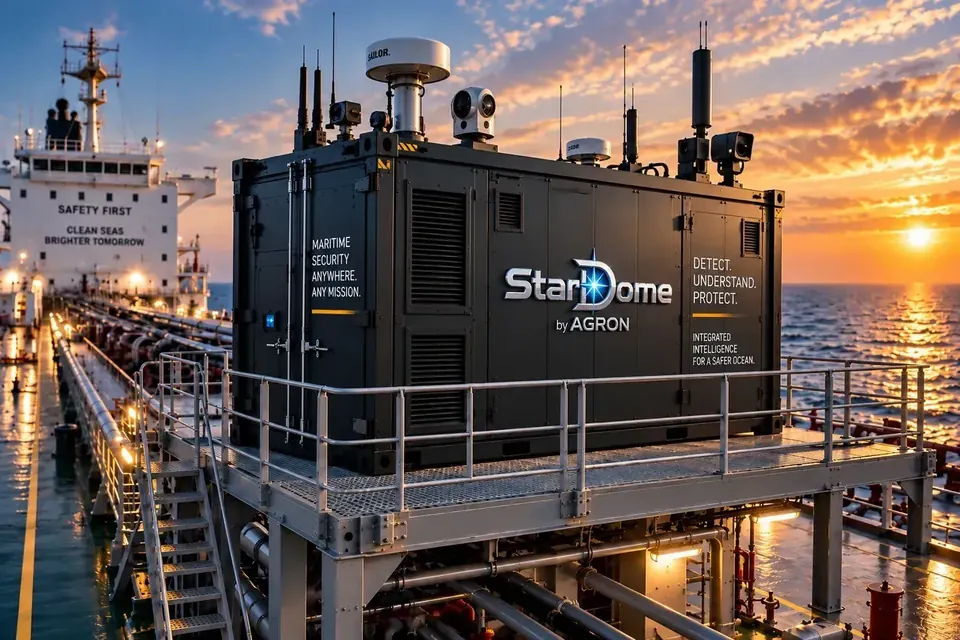
A compact set on board: radar, cameras, a searchlight and a loudhailer, alerts for the crew on watch, and clear rules for who decides at night.
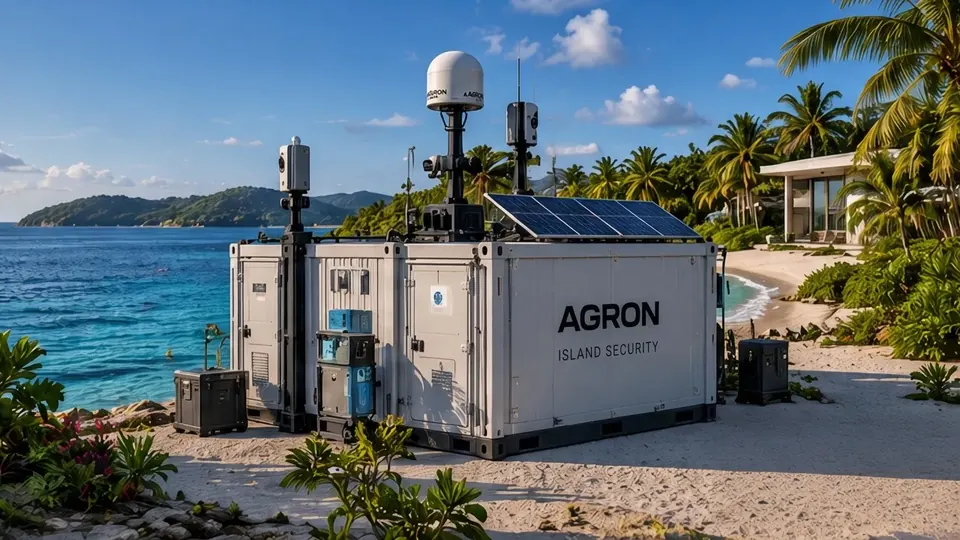
Shore and water on one screen, patrol drone routes, barriers at the landing points and a call list for the local authorities.
Every protocol includes zones, rules, the equipment list, roles and a drill plan. Equipment, availability and lead times on request.
Each site writes its own rules. StarDome follows them, AI Pilot suggests within them, and the people on duty stay in charge.
Draw zones on the map: a watch zone, a warning line, a no-go area. Each zone has its own rules.
Your own tenders, supply boats and registered vessels are recognised, so a familiar boat does not set off an alarm.
Rules change with the time of day, the weather and the site status, for example tighter at night or when guests are on board.
Each step has its own approver. The watch officer may warn; closing the boom may need the captain or the security manager.
One action can alert port control, the police or the coast guard, with the position, the track and the images attached.
After an event, Black Box gives a time-stamped package of tracks, video and decisions, ready for the authorities or an insurer.
An unusual coastline, a site shared by civil and government users, strict local law, or equipment that has to stay. Then we design the response layer from the site up.
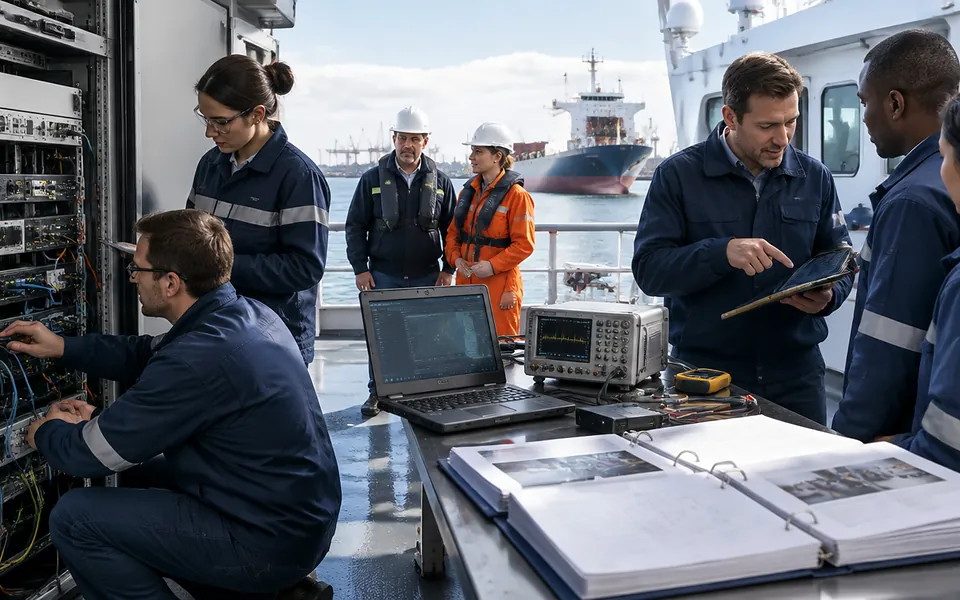
We walk the site, look at the approaches and the lines of sight, and check what the local law allows.
Zones, rules, equipment and who decides, written down and agreed with you.
New and existing equipment is connected to StarDome and tested piece by piece.
Acceptance tests with your team, including a rehearsed approach by day and by night.
Rules signed off, the team trained, records running from the first day.
What fits depends on the place, on who you are and on the law where you operate. We go through it in person, once your request has been reviewed and approved.